
Hospitality & Discovery Guide
Things to do in Montpellier and the surrounding area.
This Hospitality & Discovery Guide is designed to help attendees who may be unfamiliar with the region make the most of their time in Montpellier during the conference. Beyond the conference programme, the city and surrounding area offer a rich mix of culture, history, food, and Mediterranean atmosphere worth exploring.
The guide highlights a curated selection of authentic, high-quality places to visit, dine, and enjoy during your stay—from local restaurants and cafés to cultural sites, neighbourhoods, and experiences that reflect the character of Montpellier and the wider Occitanie region. Whether you have a free afternoon between sessions or plan to extend your stay, we hope these suggestions help you discover some of what makes this part of France so distinctive.
What to Visit
Montpellier City Centre (explore on foot or by tram)
Montpellier’s historic centre is compact, lively, and best explored slowly—wandering through its medieval streets, squares, and gardens.
Place de la Comédie & Esplanade Charles-de-Gaulle – the vibrant heart of the city, surrounded by cafés, shops, and historic buildings.
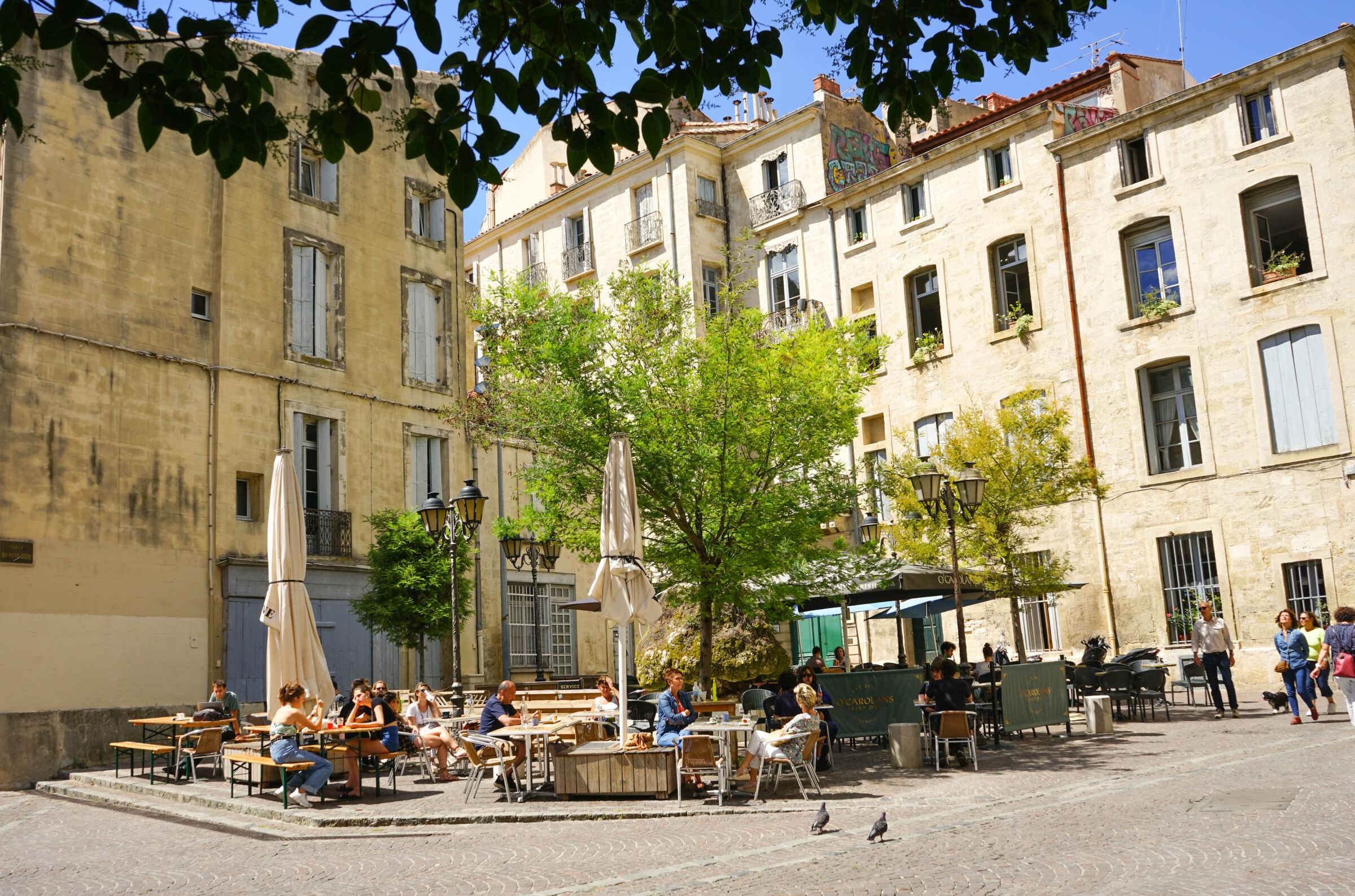
L’Écusson – Montpellier’s medieval old town, filled with narrow streets, hidden courtyards, boutiques, and lively terraces.
Arc de Triomphe & Promenade du Peyrou – a historic triumphal arch leading to a grand promenade with panoramic views across the city.
Jardin des Plantes de Montpellier – the oldest botanical garden in France, founded in 1593.
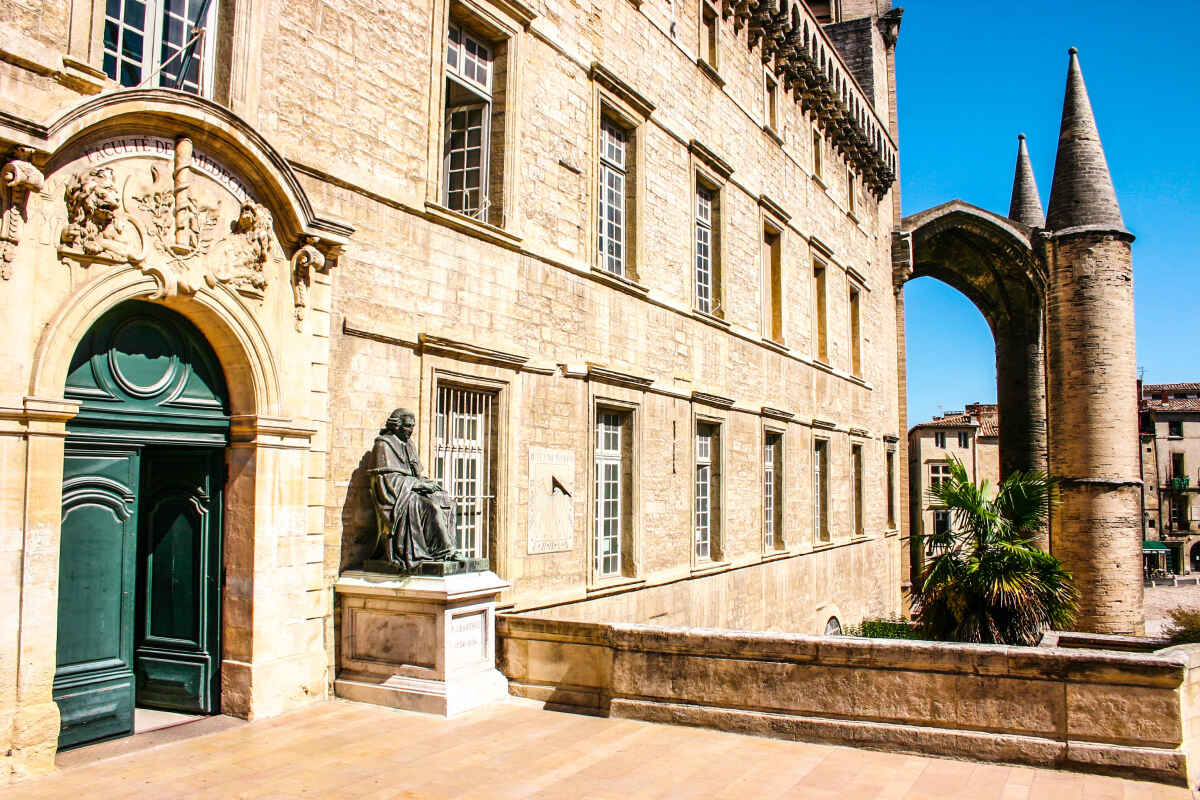
Musée Fabre – one of France’s leading regional museums, featuring works from classical masters to modern artists, including an important collection by Pierre Soulages. Nearby contemporary art spaces include MO.CO. Montpellier Contemporain and La Panacée.
Less than 1 hour away – Seaside
Montpellier sits just a short distance from the Mediterranean coast and its lagoon landscapes.
Sète – a characterful Mediterranean fishing port known for canals, seafood gastronomy, and the lively Les Halles de Sète.
Étang de Thau – famous for oyster farms and picturesque lagoon villages.
Abbaye de Maguelone – a beautiful Romanesque abbey set between lagoons and the sea, surrounded by vineyards and nature.
Less than 1 hour away – Hinterland
Beyond the city, the countryside of the Hérault region offers vineyards, dramatic landscapes, and historic villages.
Pic Saint-Loup – a striking limestone peak surrounded by renowned vineyards and scenic walking routes.
Saint‑Guilhem‑le‑Désert – one of France’s most beautiful villages, known for its medieval architecture and the Abbaye de Gellone.
Where to Eat & Drink
Lunch & Dinner – City Centre Restaurants
Restaurant Leclère – refined market-driven cuisine centred around seasonal local produce.
La Table des Poètes – elegant seasonal dishes in a relaxed setting.
Angus & Bacchus – generous French cuisine with a focus on quality meats.
Barrì – contemporary Mediterranean cuisine using seasonal ingredients.
Coppia – modern and authentic Italian cuisine.
Mamy – generous, friendly cooking with a lively atmosphere.
Blackkeys – ethical, local, and seasonal cuisine.
Bistrot Rondelet – classic neighbourhood bistro with traditional French dishes.
Baba Ristorante – contemporary Italian restaurant.
Bouillon Maurel – popular and affordable French classics.
Ikal – creative cuisine with international influences.
Menjia – gourmet bistro-style cuisine.
ARTISANE – modern haute cuisine and gastronomic tasting menus.
CÉNA – elegant gastronomic restaurant with inventive cuisine.
Les Vignes Montpellier – relaxed seasonal French cuisine.
Maison Marguerite – stylish bistronomic dining.
Le Paresseur – relaxed bistro serving market-driven dishes.
Les t’OCqués – inventive French cuisine.
Restaurant l’Angelus – carefully prepared traditional French cuisine.
Seaside – Chic Beach Restaurants
La Plage Bonaventure – elegant beach club (paillote) ideal for seaside dining or private events.
Carré Mer – stylish beach club with refined Mediterranean dining.
Plage Palace – luxury beachfront hotel with restaurant and private beach.
Cœur des Sables – chic private beach restaurant suitable for groups.
PARTNERS



SUPPORTERS