Behaviour Change for Sustainable Social Impact:
Integrating Policy, Community and Individual Action
The 2nd African Social Marketing Association Conference
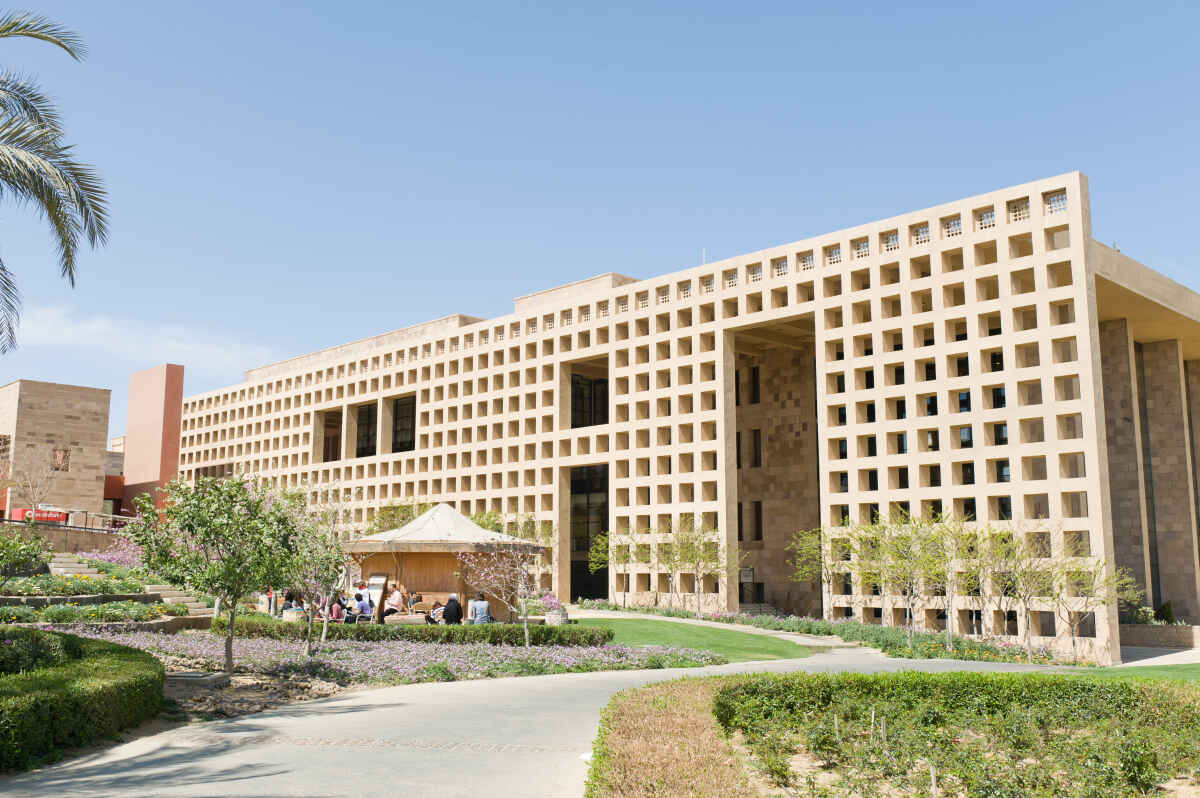
AfSMAC 2026 will bring the social marketing and behaviour change community together for three full days of learning, discussion and connection at the The American University in Cairo Onsi Sawiris School of Business.
The programme will combine shared plenary sessions with a carefully curated selection of research presentations, practical case studies, extended sessions and expert panels. With no more than three parallel sessions running at any one time, the programme is designed to give every presentation a strong audience and create meaningful opportunities for questions, discussion and exchange.
By spreading the programme across three days, delegates will be able to engage with a broad range of content without the event feeling overcrowded or rushed. It will create a focused and highly participative conference experience, with time to explore new ideas, build connections and turn learning into action across Africa and beyond.
EVENT PROGRAMME
// NOVEMBER 10TH //
1.30 PM MAIN CONFERENCE BEGINS


9.00 AM – 12.30 AM > MORNING WORKSHOP
AN ADDITIONAL TICKET IS REQUIRED TO ATTEND THIS WORKSHOP. TICKETS ARE AVAILABLE VIA THE REGISTRATION PORTAL
AfSMAC 2026 opens with and optional training workshop for participants. Available to those with pre-purchased tickets only. Nationals of Angola, Botswana, Namibia, Zambia, and Zimbabwe are eligable for a free ticket. Please contact africa@wsmconference.com for further details.
WORKSHOP DETAILS: Designing Behaviour Change for the Environment
with Diogo Veríssimo, Oxford University
This session introduces participants to the use of behavioural science to address biodiversity conservation challenges. Moving beyond traditional approaches focused primarily on raising awareness, participants will learn how to identify the specific human behaviours contributing to environmental problems, understand what drives or prevents these behaviours, and design more effective interventions. Using real-world examples from species conservation and environmental management, the workshop will introduce practical frameworks such as COM-B and guide participants through the process of developing a behaviour change intervention. Participants are encouraged to bring their own conservation challenges and apply the tools during the workshop
Participants will learn to:
- Distinguish awareness, attitudes, intentions and actual behaviour.
- Diagnose why environmentally harmful behaviours persist.
- Design interventions that go beyond information provision.
12.30 PM – 1.30 PM > LUNCH
1.30 PM – 2.30 PM > OPENING PLENARY
WELCOME TO AFSAMC 2026
Dr Ahmend Tolba - Professor of Marketing and Chair of Heikal Department of Management, American University in Cairo
Dr Paul Issock - Vice-President of the African Social Marketing Association, Senior Lecturer, Marketing, University of the Witwatersrand, Johannesburg
KEYNOTE SESSION
Session Chair | Dr Paul Issock, Vice-President, African Social Marketing Association
FROM POLICY TO PROTECTED AREAS: TURNING NATIONAL COMMITMENT INTO EVERYDAY ACTION
Ms Hoda El Shawadfy, Assistant Minister for Ecotourism Affairs
Eng. Mohammed Elewa, UNDP Egypt
This talk will explore how Egypt’s protected areas programme connects ministry, local authorities and community to change behaviour on the ground.
2.30 PM – 3.00 PM > BREAK
3.00 PM – 5.00 PM > AFTERNOON PARALLEL SESSIONS
The afternoon programme continues across three rooms, with a mix of 20-minute presentations and extended 45-minute sessions.
5.00 PM – 7.00 PM > WELCOME RECEPTION
Join fellow delegates, speakers and members of the AfSMAC community for drinks and canapés on campus. This relaxed evening reception offers an opportunity to continue the day’s conversations, reconnect with colleagues and make new connections. Open to all delegates.
9.00 AM – 10.00 AM > MORNING PLENARY
KEYNOTE SESSION
Session Chair | Dr Paul Issock, Vice-President AfSMA, University of the Witwatersrand, Johannesburg
Selling the Unsellable? The Challenge of Changing Behaviour for Nature
Dr. Diogo Veríssimo , Research Fellow at University of Oxford, Chair IUCN SSC CEC Behaviour Change Taskforce
Conservation presents social marketing with unusually difficult challenges: benefits are often distant, uncertain, or enjoyed by others, while competing behaviours can offer immediate and tangible rewards. Drawing on conservation case studies, this talk explores what these difficult exchanges reveal about social marketing, and what they can teach us about changing behaviour.
10.00 AM – 10.30 AM > BREAK
10.30 AM – 12.30 PM > PARALLEL SESSIONS
Presentation sessions will run across three rooms (4 sessions per room)
12.30 PM – 1.30 PM > LUNCH
1.30 PM – 2.30 PM > INDUSTRY INSIGHT PANEL
Session Chair | Claire Naidoo, AfSMA, University of the Witwatersrand, LiveMoya, South Africa
This insightful panel discussion draws on the hard-won experience of practitioners who've seen and done it all, exploring the shifts reshaping social marketing, from new tools to the tried-and-true approaches that still deliver results. Panelists will share lessons on closing the gap between research and practice, doing more with less as budgets tighten, and rebuilding public trust in an era of misinformation. The session closes with each panelist's big idea for lasting behaviour change, followed by an open Q&A with the audience.
PANEL MEMBERS
Jude Khalaf, SBC Programme Manager, MAGENTA Consulting
JustineBahoumina, Senior Consultant, Good Business
Lillian Diaz, Owner and CEO, 17 Triggers
2.30 PM – 3.00 PM > BREAK
3.00 PM – 4.35 PM > PARALLEL SESSIONS
// NOVEMBER 11TH // 9 AM
DAY 2 BEGINS


// NOVEMBER 12TH // 9 AM
DAY 3 BEGINS


9.00 AM – 10.00 AM > MORNING PLENARY
Community is the Key - The final day begins with insights from leading researchers and practitioners on how effective behaviour change can be created with and within communities.
KEYNOTE SPEAKERS
Prof. Dr. Emad Shash - Director of the Breast Cancer Comprehensive Hospital - National Cancer Institute, Cairo University
"Community is the key" - but who holds it?
Prof. Krzysztof Kubacki - Professor of Marketing and Society and Associate Dean International, University of Plymouth, Editor - Journal of Social Marketing
Communities are often consulted but have little influence over the decisions that shape their lives. This talk argues that social marketing must move from community involvement to community influence over priorities and outcomes. It asks how vulnerability is produced, whose resilience is strengthened and who controls empowerment, showing how apparently responsible practices can strengthen or undermine those with least power. Organisations and social marketers, not communities, must become accountable for conditions constraining community agency. Moving from compliance to care means asking not whether communities are involved, but what they can shape, challenge and change.
10.00 AM – 10.30 AM > BREAK
10.30 AM – 12.00 PM > PARALLEL SESSIONS
The morning programme will feature a mixture of 20-minute presentations and extended 45-minute sessions across three rooms.
12.00 PM – 1.00 PM > LUNCH
1.00 PM – 2.10 PM > PARALLEL SESSIONS
2.10 PM – 2.30 PM > BREAK
2.30 PM – 3.30 PM > CLOSING PLENARY: CREATING ACTION ACROSS AFRICA
o close the conference, members of the planning committee will take to the stage for an open, low-key conversation with the audience. Drawing on everything they've seen and heard over the conference, they'll share their own reflections, standout moments, and big ideas sparked by the event, then open the floor to the room. Come ready to add your own takeaways, questions and ideas as we close AfSMAC 2026 together.
CONTRIBUTORS
Dr Paul Issock, Vice-President AfSMA, Senior Lecturer, Marketing, University of the Witwatersrand, Johannesburg
Dr Ahmend Tolba, Professor of Marketing, Chair of Heikal Department of Management, American University in Cairo
Dr Lina Khattab, Lecturer of Marketing, Cairo University (Egypt), AfSMA Board Member
Claire Naidoo, AfSMA, University of the Witwatersrand, LiveMoya, South Africa
Programme timings and session details remain provisional and may be adjusted as the full conference programme is finalised.
PARTNERS